Is Sugar Really That Bad?
Let’s face it—sugar has become one of the most talked-about topics in health and nutrition. You’ve probably heard everything from “sugar is the new tobacco” to “you need sugar for energy,” and it can get confusing fast.
As a coach, nutritionist, and someone who’s worked with real people trying to eat better without feeling miserable, I’m here to help clear things up.
So, is sugar really that bad? Like most things in nutrition, the answer is it depends. Let’s break it down.
How Your Body Uses Sugar
First, let’s get one thing straight: your body needs sugar—well, glucose, to be specific.
Glucose is your body’s primary source of energy. Your brain runs on it. Your muscles use it. Your cells depend on it.
When you eat a carbohydrate—whether it’s fruit, bread, or a donut—your body breaks it down into glucose. That glucose gets used for energy or stored for later.
So sugar itself isn’t evil. The problem is how much and what kind we’re eating.
The Real Problem: Too Much and Too Often
The issue isn’t that sugar exists—it’s that it’s everywhere, often in places you’d never expect.
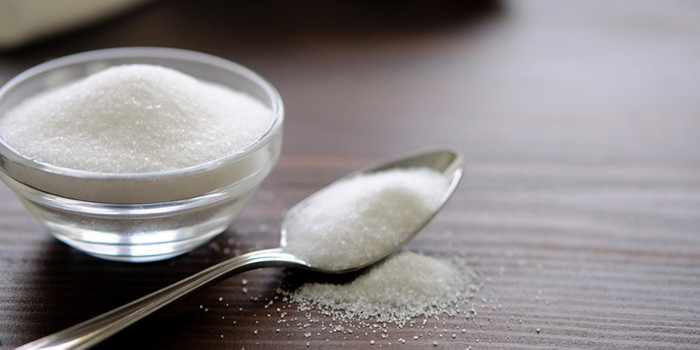
The average American consumes around 17 teaspoons of added sugar per day, according to the CDC. That’s more than double the recommended limit from the American Heart Association (6 teaspoons for women, 9 for men).
Over time, this adds up to an increased risk for:
- Weight gain
- Insulin resistance
- Type 2 diabetes
- Fatty liver disease
- Some forms of cancer
Why is this happening? Simple: added sugars are cheap, addictive, and make food taste good. So food manufacturers put them in everything—from pasta sauces to salad dressings to “healthy” protein bars.
Hidden Sugars in Everyday Foods
You don’t have to eat candy or dessert to be overdoing sugar. Many “healthy” foods sneak in sugar under different names. Check your labels for:
- High fructose corn syrup
- Cane juice
- Agave nectar
- Maltodextrin
- Dextrose
- Evaporated cane syrup
These are all sugar in disguise.
For example, a 6-ounce fruit-flavored yogurt can have up to 20 grams of sugar—that’s more than a small bowl of ice cream.
Sugar vs. Sugar Alternatives: Should You Switch?
Now comes the big question—should you cut sugar completely and go for alternatives?
Let’s look at both sides.
Pros of sugar alternatives:
- Usually contain fewer calories
- Some (like stevia or monk fruit) don’t spike blood sugar
- Help reduce overall sugar intake when used wisely
Cons:
- Artificial sweeteners like aspartame may cause digestive issues
- Some may trigger more sugar cravings
- Even “natural” options like erythritol can cause bloating in high doses
My take:
Use them as a tool—not a crutch. If a little stevia in your coffee helps you avoid 30 grams of sugar from a flavored creamer, that’s a win. But don’t swap one processed habit for another.
So… Should You Cut Back?
Yes—but you don’t have to panic. You don’t need to go cold turkey, and you don’t have to live without birthday cake.
Here’s what I recommend as a coach:
- Start reading labels. If sugar (or its aliases) is one of the first three ingredients, be cautious.
- Stick to whole foods. Fruit contains sugar, yes, but it also has fiber, water, and nutrients that help your body process it better.
- Watch your drinks. Soda, sweet tea, energy drinks, and even juice can be sugar bombs. One bottle of sweet tea can pack over 40 grams.
- Don’t fall for “low-fat.” These foods often compensate with extra sugar to keep flavor.
- Ease off gradually. Cutting sugar in half for a week is more sustainable than trying to eliminate it all at once.
What About Natural Sugars?
Let’s talk about fruit, honey, and maple syrup.
Fruit? Totally fine in normal portions.
Raw honey or pure maple syrup? Better than corn syrup, but still sugar.
Just because something is “natural” doesn’t mean you can have it endlessly.
If you’re switching from white sugar to a little local honey in your oatmeal, you’re already on the right track. That’s a smart move, not just a “healthy” one.
Final Thoughts: Is Sugar the Enemy?
Not really. Excess sugar is the enemy.
And the fact that it hides in so many places makes it incredibly easy to overconsume without even realizing it.
But sugar itself? It’s just a tool. One your body can use—or misuse—depending on how you fuel it.
Instead of fearing sugar, get intentional:
- Know where it’s hiding
- Make mindful swaps
- Pick your sweet moments on purpose
Don’t let food guilt or fear run your life. Real health is about balance—not perfection.
Let’s Keep the Conversation Going
Have you ever tried to cut back on sugar—or struggled with cravings? What worked (or didn’t) for you?
I’d love to hear your story, and who knows—it might show up in a future episode of The Legion Fitness Show.