


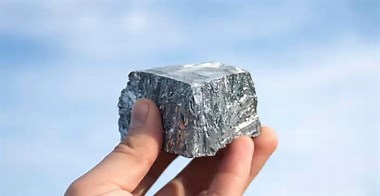
What is Zinc—and Why Should You Care?
If you’ve ever taken a multivitamin or an immune booster, chances are you’ve seen zinc on the label. But what is it, really? And do you actually need it?
As a personal trainer and nutritionist, I talk about protein, carbs, and fats all day long—but when it comes to micronutrients like zinc, most people don’t realize how powerful (and overlooked) this mineral really is.
Zinc is an essential trace mineral, meaning your body can’t make it on its own—you have to get it from your diet. It’s required for over 300 enzymes in the body to function properly. That includes processes related to your immune system, wound healing, testosterone production, digestion, and even your sense of taste and smell.
So yes—zinc matters.
What Does Zinc Actually Do?
Here’s a breakdown of what zinc is doing behind the scenes in your body:
- Immune Function: Zinc plays a central role in how your body fights off viruses and infections. Research has shown that people with adequate zinc levels tend to recover faster and experience less severe symptoms when they get sick.
- Wound Healing and Skin Health: Zinc is critical for collagen synthesis and repair, which means it helps with faster recovery from injuries, acne, or skin conditions.
- Hormone Production: Zinc supports testosterone levels in men, making it important not just for muscle building but also for energy, libido, and mood.
- Digestive Health: Zinc helps produce stomach acid and digestive enzymes, which improves nutrient absorption and gut health.
- Antioxidant Support: It reduces inflammation and helps protect against oxidative stress, which is involved in aging and chronic disease.
How Much Zinc Do You Actually Need?
The Recommended Daily Allowance (RDA) for zinc varies depending on age, gender, and lifestyle. Here’s a quick guide:
- Men: 11 mg per day
- Women: 8 mg per day
- Pregnant or breastfeeding women: 11–12 mg per day
- Athletes, bodybuilders, or those under stress: may need slightly more due to increased losses through sweat and metabolic demand.
Now, those are the baseline numbers. In real-world terms, many people—especially active adults—benefit from 15 to 30 mg per day, especially if they’re not getting enough from food alone.
Am I Deficient in Zinc?
Surprisingly, zinc deficiency is more common than you’d think, even in developed countries. It’s especially common in people who:
- Eat a mostly plant-based diet (phytates in grains and legumes can block absorption)
- Sweat heavily from exercise or heat
- Have digestive issues like IBS or leaky gut
- Drink alcohol regularly
- Are older adults, or recovering from illness
Common signs of zinc deficiency include:
- Frequent colds or infections
- Slow wound healing
- Hair loss or thinning
- Skin issues like acne, eczema, or rashes
- Loss of taste or smell
- Low libido or hormonal imbalance
- Fatigue and brain fog
If that list hits home, you might want to check your zinc levels—or at least consider your dietary intake.
Do I Really Need to Supplement with Zinc?
Maybe. If you’re getting plenty of zinc-rich foods and your digestion is solid, you might be fine. But if you’re falling short—or pushing your body hard in training—supplementing with zinc can make a noticeable difference in energy, recovery, and immunity.
Just be careful not to overdo it. High doses (over 40 mg per day long-term) can actually cause nausea, copper deficiency, and other issues. Balance is key.
What Foods Are High in Zinc?
Zinc is mostly found in animal-based foods, though some plant sources contain it too. Here are some top food sources:
- Oysters (by far the richest source—just one can give you 300%+ of your daily needs)
- Beef, lamb, pork
- Chicken and turkey
- Egg yolks
- Pumpkin seeds, hemp seeds, sesame seeds
- Cashews
- Chickpeas and lentils
- Quinoa and whole grains
If you’re plant-based, you can still meet your zinc needs, but you’ll want to eat a variety of zinc-containing foods and consider cooking methods (like soaking or sprouting) that reduce phytates and improve absorption.
What’s the Best Form of Zinc?
Not all zinc supplements are created equal. Some forms are better absorbed than others. Here’s a quick cheat sheet:
- Zinc Picolinate: Great absorption; often recommended for general use
- Zinc Citrate: Also well-absorbed and easy on the stomach
- Zinc Gluconate: Common in cold lozenges and decent bioavailability
- Zinc Monomethionine: High quality and highly absorbable; often found in premium supplements
- Zinc Oxide: Poor absorption; often used in cheap supplements or topical creams
Look for a chelated form (like picolinate, citrate, or monomethionine) if you want better results with less stomach upset.
Also, consider pairing zinc with copper (usually in a 10:1 ratio) if you’re supplementing for longer than a month, since high-dose zinc can deplete copper over time.
Final Thoughts: Why Zinc Deserves a Spot in Your Routine
If you’re working hard in the gym, eating clean, and still feeling a little run-down, zinc might be the missing link. It’s not flashy, it doesn’t get the hype of protein powders or pre-workouts—but it’s foundational to your immune system, hormones, and ability to recover.
I’ve had clients start a quality zinc supplement and notice better skin, improved sleep, more energy, and even stronger lifts. When your body has the raw materials it needs to function, it’s amazing what can change.
So yes—you probably do need zinc. Whether from food, smart supplementation, or both, make sure it’s part of your wellness plan. Sometimes, it’s the smallest nutrients that make the biggest difference.